
Hey there, fellow food adventurers! If you've been dreaming of bringing the vibrant flavors of Seoul right into your kitchen, you're in for a treat. This article is your friendly guide to discovering some truly easy Korean recipes for beginners, designed to get you cooking delicious Korean dishes without any fuss or intimidation. You'll walk away with the confidence to whip up authentic tastes that will impress your friends and family, making your home cooking journey both exciting and incredibly rewarding.
Quick Answer: Your First Taste of Korean Home Cooking
- Start with Pantry Staples: Stock up on essentials like gochujang, gochugaru, soy sauce, and sesame oil to unlock a world of flavor.
- Embrace Simple Dishes: Begin with forgiving recipes like Kimchi Fried Rice, Gyeran Jjim (steamed eggs), and simplified Tteokbokki.
- Flavor is Key: Learn to balance the sweet, spicy, savory, and umami notes that define Korean cuisine.
- Health Benefits Abound: Enjoy meals rich in vegetables, fermented foods, and lean proteins, known for supporting gut health and overall well-being.
Heads up: this post contains affiliate links. If you make a purchase through one, I may earn a small commission at no extra cost to you — thanks for supporting the blog!

Why Dive into Korean Cooking? It's More Than Just Food!
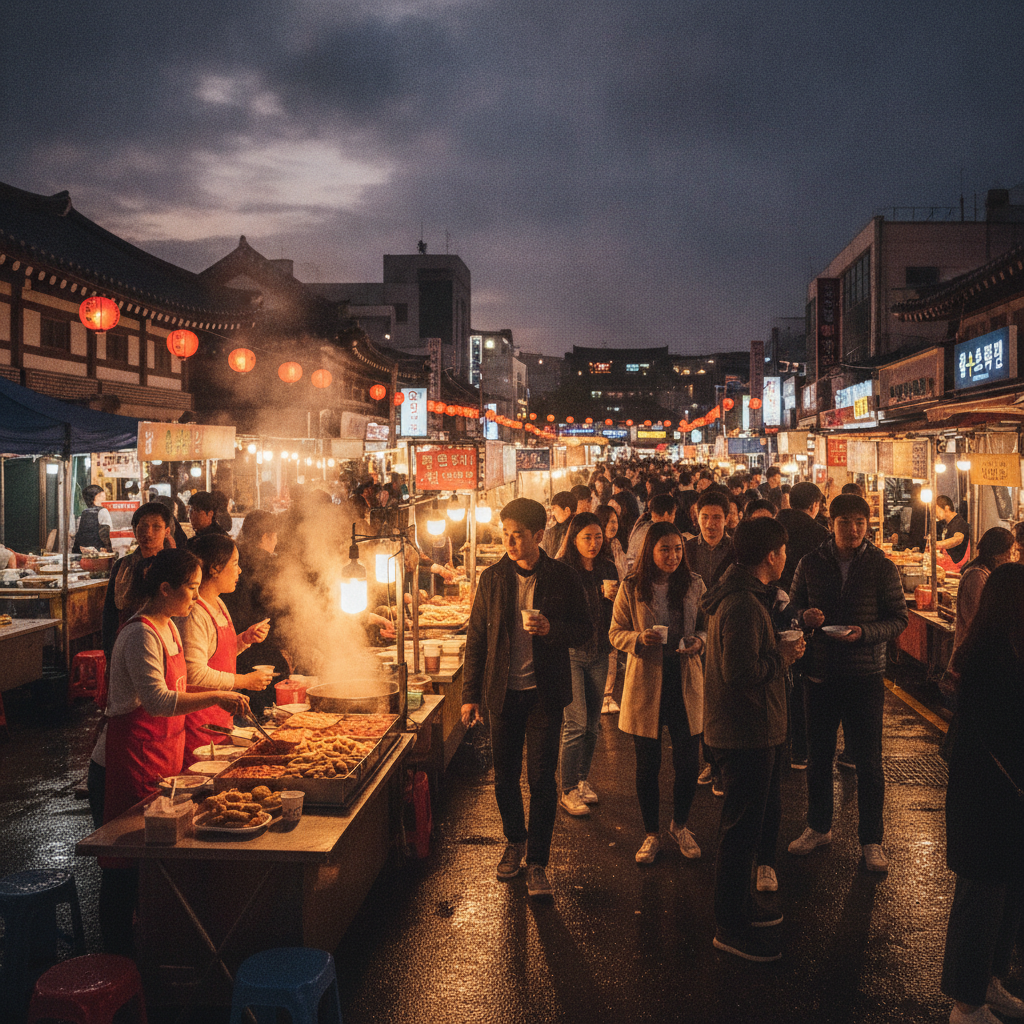
If you've ever walked through the bustling streets of Myeongdong or explored the traditional markets of Gwangjang in Seoul, you know that Korean cuisine is an experience in itself. It's not just about eating; it's about the communal joy, the bold flavors, and the incredible health benefits that make it one of the world's most cherished food cultures.
From the moment I first tasted authentic street food in Hongdae, I was hooked. The balance of spicy, savory, sweet, and sometimes even a hint of sourness, creates a symphony on your palate that you just can't find anywhere else. Korean food is renowned for being incredibly healthy, often emphasizing vegetables, lean proteins, and fermented ingredients like kimchi, which are fantastic for gut health.
Beyond the deliciousness, learning to prepare some simple Korean dishes at home is a fantastic way to connect with the culture. It’s a rewarding journey that will expand your culinary horizons and bring a taste of Korea right to your dining table, even if you’re thousands of miles away. You’ll be surprised how quickly you can master a few key techniques and ingredients!
Essential Korean Pantry Staples for Beginners
Before you start cooking up a storm, let's talk about building your Korean pantry. Think of these as your secret weapons for unlocking authentic Korean flavors. You don't need everything under the sun, but a few key items will make a huge difference. Most of these can be found at a local Asian grocery store or even in the international aisle of larger supermarkets.
- Gochujang (고추장): This fermented red chili paste is the heart and soul of many Korean spicy dishes. It offers a unique blend of heat, sweetness, and umami.
- Gochugaru (고춧가루): Korean red chili flakes are less of a paste and more of a powder, perfect for adding adjustable spice and color to stews and marinades.
- Soy Sauce (간장 - Ganjang): You'll want a good quality Korean soy sauce for marinades, dipping sauces, and seasoning. There are different types, but a general-purpose soy sauce (like Jin Ganjang) is a great start.
- Sesame Oil (참기름 - Chamgireum): Toasted sesame oil adds an incredibly nutty aroma and flavor, often used as a finishing touch.
- Doenjang (된장): A fermented soybean paste, similar to Japanese miso but with a stronger, funkier flavor, perfect for stews.
- Garlic & Ginger: These fresh aromatics are fundamental to almost every Korean dish.
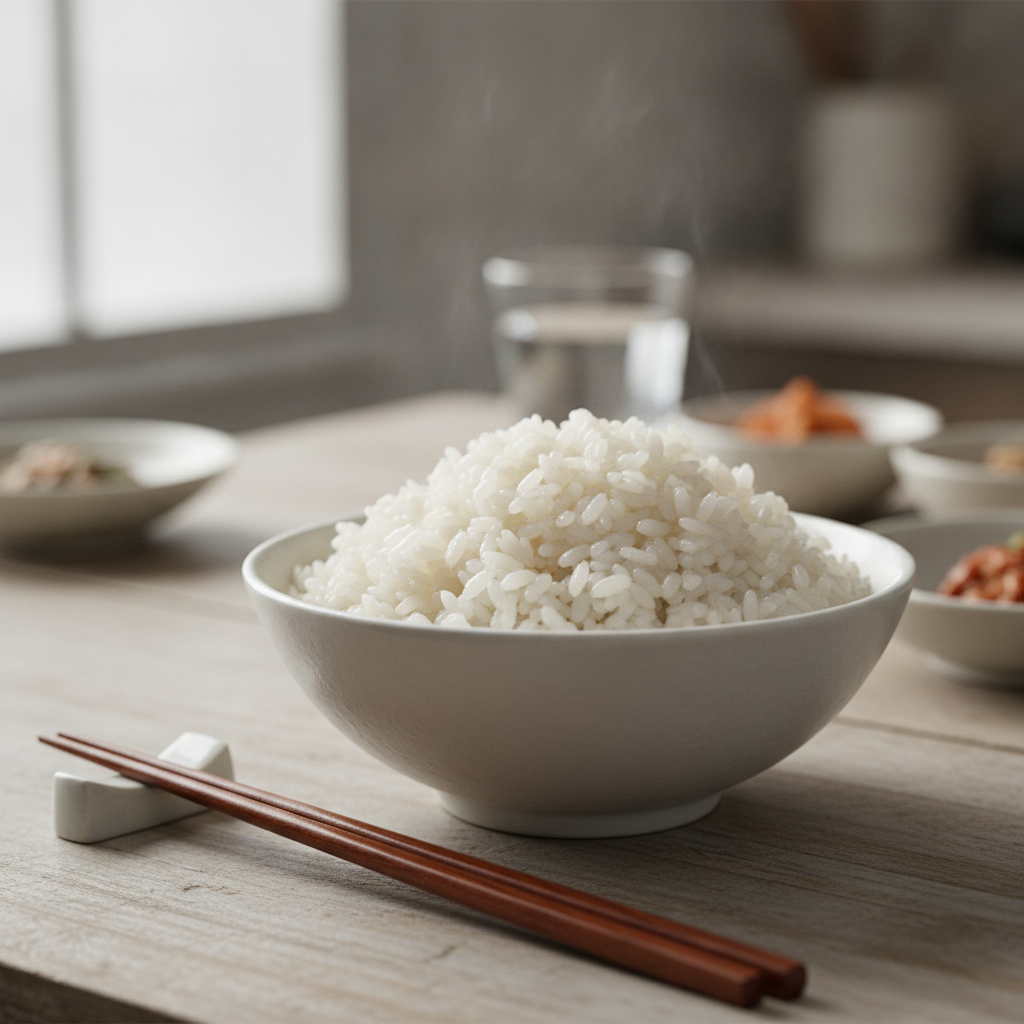
- Rice: Short-grain white rice is the staple and accompaniment to nearly every Korean meal.
Don't feel like you need to buy everything at once! Start with gochujang, gochugaru, soy sauce, and sesame oil, and you'll be well on your way to mastering many simple Korean dishes. I remember my first trip to an H Mart in Seoul, completely overwhelmed by the choices, but once I knew these core ingredients, it became so much easier!
Simple Korean Dishes You Can Master
Ready to get cooking? These beginner-friendly recipes are perfect for anyone new to Korean cooking. They use common ingredients, straightforward techniques, and deliver incredible flavor. You'll be surprised how quickly you can whip up a satisfying and authentic meal.
Kimchi Fried Rice (Kimchi Bokkeumbap)
This is arguably one of the most beloved and forgiving Korean dishes, perfect for using up leftover rice and slightly sour kimchi. It’s a staple in Korean households and a fantastic entry point into Korean cuisine. The key is to use cold, day-old rice, which prevents it from becoming mushy.
To make it, you'll sauté your chopped kimchi, often with some bacon, spam, or a protein of choice, then add your rice, a dash of soy sauce, gochujang (for that signature spicy kick), and a drizzle of sesame oil. It’s quick, flavorful, and incredibly satisfying. Finish it off with a fried egg and some chopped green onions for a truly authentic experience.
Gyeran Jjim (Korean Steamed Egg)
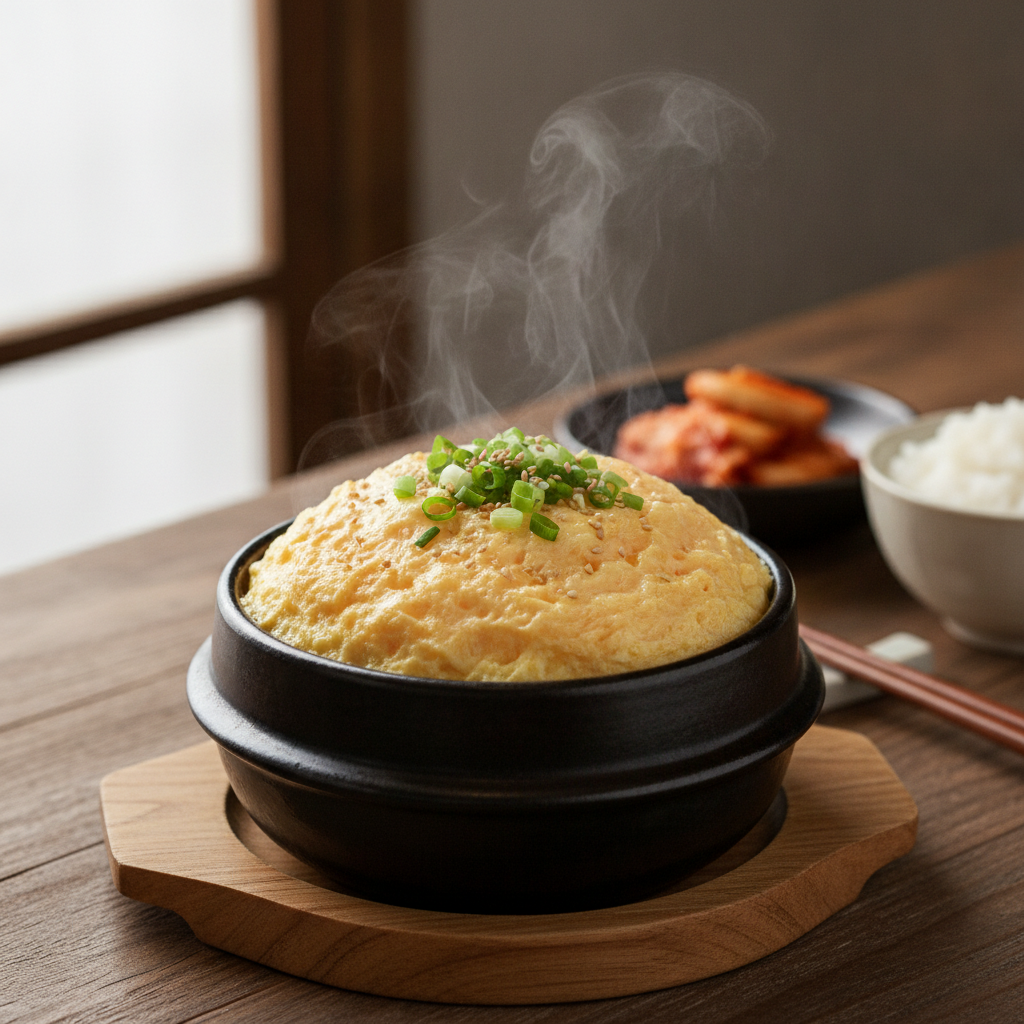
Imagine a fluffy, savory egg custard that's lighter than air. That's Gyeran Jjim! It's a popular side dish (banchan) that's incredibly easy to make and pairs wonderfully with almost any Korean meal. It’s often served in an earthenware pot, bubbling gently, but you can easily make it in a heat-proof bowl on your stovetop or even in the microwave.
The basic recipe involves whisking eggs with water or broth (anchovy broth is traditional, but vegetable or chicken broth works too), seasoned with a touch of salt or fish sauce. You can add chopped scallions, carrots, or even a pinch of gochugaru for a slight kick. The magic happens as it steams, creating a wonderfully soft, pudding-like texture that's both comforting and delicious.
Tteokbokki (Spicy Korean Rice Cakes - Simplified)
For those who love a bit of heat and chewiness, Tteokbokki is an absolute must-try. These cylindrical rice cakes drenched in a fiery, sweet, and savory gochujang sauce are a street food icon in Korea. While traditional Tteokbokki can involve a few steps, a simplified version is very accessible for beginners.
You'll need Korean rice cakes (often found frozen, so thaw them first) and fish cakes (optional, but highly recommended for authenticity). The sauce typically combines gochujang, gochugaru, soy sauce, sugar, and sometimes a bit of garlic and anchovy broth (or water). Simmer the rice cakes and fish cakes in this sauce until the rice cakes are tender and the sauce has thickened. It’s a wonderfully comforting and addictive dish that you can easily adjust to your preferred spice level.
Explore More Korean Cooking Essentials →
Tips for Korean Cooking Success
Ready to conquer your kitchen with Korean flavors? Here are a few insider tips to make your cooking experience even smoother and more enjoyable. From prepping like a pro to adjusting flavors, these pointers will help you succeed in your Korean culinary journey.
- Mise en Place is Your Friend: Korean cooking often involves quick stir-frying or simmering, so having all your ingredients chopped, measured, and ready to go before you start cooking is crucial. This will make the process much less stressful.
- Taste and Adjust: Fermented ingredients like kimchi, gochujang, and doenjang can vary in saltiness and intensity. Always taste your dish as you go and adjust seasonings like soy sauce, sugar, or extra gochujang to suit your preference. A pinch of sugar can often balance out too much salt or spice.
- Don't Fear the Spice (But Don't Overdo It): Gochujang and gochugaru provide a wonderful heat, but remember that Korean spice is often layered with other flavors, not just pure fire. Start with a smaller amount and add more gradually if you prefer extra heat.
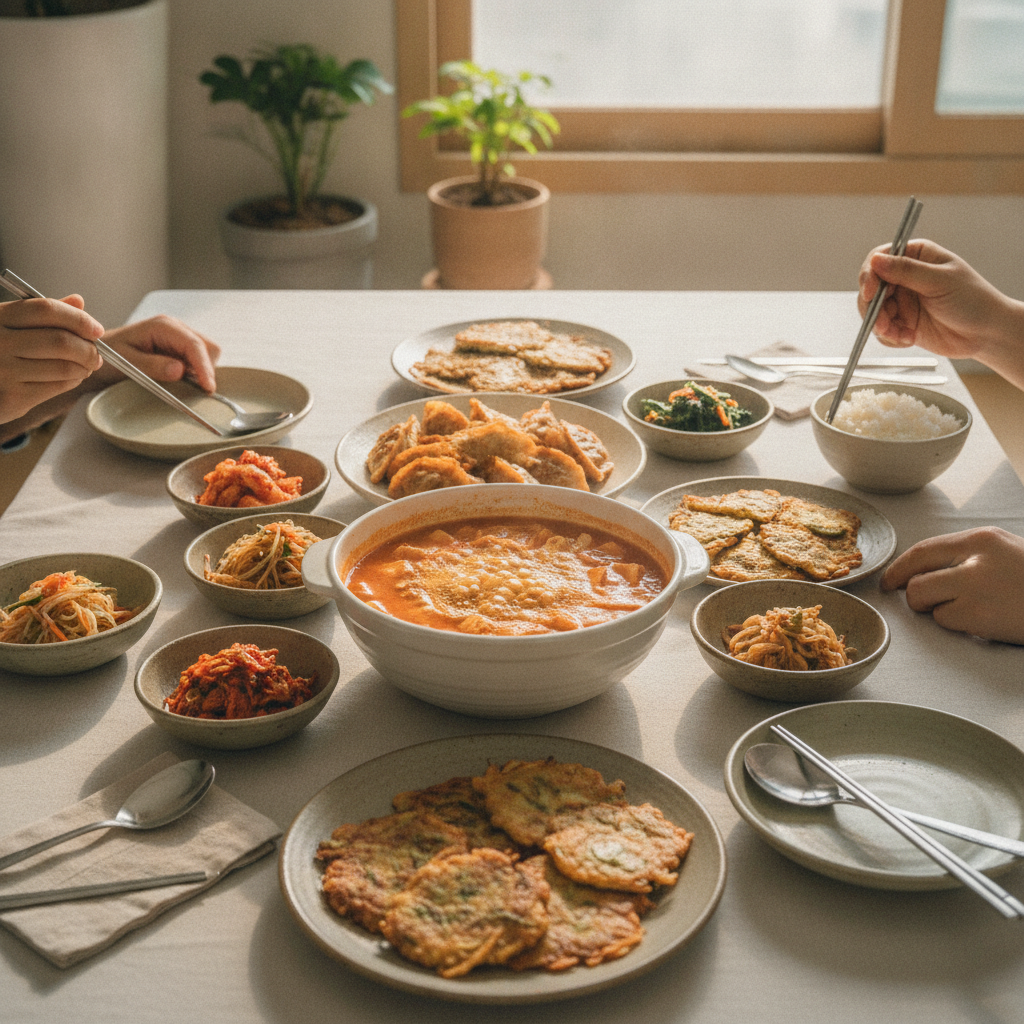
- Embrace Banchan: Korean meals are traditionally served with a variety of small side dishes (banchan). Even a simple meal can feel grand with a few easy banchan like quick cucumber salad or seasoned bean sprouts.
And speaking of authentic experiences, if you ever find yourself planning a trip to the vibrant capital, you absolutely have to check out Your First 5 Days in Seoul: The Ultimate Itinerary. It’s packed with tips to help you experience the best of the city, including its incredible food scene firsthand!
Expanding Your Korean Culinary Horizons
Once you've mastered these beginner-friendly recipes, you'll find yourself eager to explore more of the incredible world of traditional Korean food. The beauty of Korean cuisine lies in its diversity, from comforting stews to vibrant noodle dishes and hearty BBQ. Each dish tells a story of tradition, regional specialties, and the rich history of Korea.
You might venture into making your own fresh kimchi, trying your hand at different types of jeon (savory pancakes), or even tackling more complex stews like Kimchi Jjigae or Doenjang Jjigae. The possibilities are endless! Don't be afraid to experiment with new ingredients and techniques as your confidence grows. Every step you take in Korean cooking is a step closer to understanding and appreciating this amazing culture.
Ready to Cook?
So there you have it! Your introduction to some truly easy Korean recipes for beginners. From the comforting warmth of Kimchi Fried Rice to the delicate fluffiness of Gyeran Jjim and the spicy kick of Tteokbokki, you now have the tools and confidence to start your own Korean cooking adventure. It's a journey that's not only about delicious food but also about exploring a rich culture and sharing wonderful meals with those you care about.
Don't be shy – grab those essential Korean pantry staples, pick a recipe, and dive in. You'll soon discover that bringing the flavors of Korea into your home is much easier and more rewarding than you ever imagined. Happy cooking, and enjoy your delicious new culinary skills!